

How to select the right diameter of a water well pipe for my well?
Selecting the right diameter of a water well pipe is a crucial decision that can significantly impact the efficiency, performance, and longevity of your well system. As a trusted Water Well Pipe supplier, I understand the importance of making an informed choice. In this blog post, I will guide you through the key factors to consider when selecting the appropriate diameter for your water well pipe.
Understanding the Basics of Water Well Pipe Diameter
The diameter of a water well pipe refers to the internal width of the pipe. It plays a vital role in determining the volume of water that can flow through the pipe and the pressure at which it can be delivered. A larger diameter pipe generally allows for greater water flow, while a smaller diameter pipe may restrict flow and cause pressure issues.
Factors to Consider When Selecting Water Well Pipe Diameter
Water Demand
The first step in selecting the right pipe diameter is to assess your water demand. Consider the number of users, the types of appliances and fixtures that will be using water, and the peak water usage times. For example, a household with a large number of residents or a commercial property with high water consumption will require a larger diameter pipe to meet the demand. You can calculate your water demand by estimating the flow rate (in gallons per minute) required for each appliance and fixture and then adding them up.
Well Yield
The well yield is the amount of water that the well can produce on a continuous basis. It is typically measured in gallons per minute (GPM). The pipe diameter should be selected based on the well yield to ensure that the pipe can handle the water flow without causing excessive pressure drop. If the pipe diameter is too small, it may not be able to accommodate the well's yield, leading to reduced water pressure and potential damage to the well pump. On the other hand, if the pipe diameter is too large, it may result in unnecessary costs and a slower water flow velocity.
Pump Capacity
The capacity of the well pump is another important factor to consider. The pump must be able to deliver water at the required pressure and flow rate to meet your water demand. The pipe diameter should be compatible with the pump capacity to ensure efficient operation. A pump with a high flow rate will require a larger diameter pipe to prevent excessive friction losses and maintain adequate pressure. You can consult the pump manufacturer's specifications to determine the recommended pipe diameter for your pump.
Friction Loss
Friction loss occurs when water flows through a pipe. It is caused by the resistance of the pipe walls and fittings to the flow of water. The friction loss increases as the pipe diameter decreases and the flow rate increases. Excessive friction loss can result in reduced water pressure and increased energy consumption. To minimize friction loss, it is important to select a pipe diameter that allows for a reasonable flow velocity. The flow velocity should be within the recommended range for the type of pipe material and the application.
Depth of the Well
The depth of the well also affects the selection of the pipe diameter. As the depth of the well increases, the pressure required to lift the water to the surface also increases. A larger diameter pipe may be required to maintain adequate pressure and prevent cavitation (the formation of vapor bubbles in the water due to low pressure). Additionally, the depth of the well may also impact the installation process and the type of pipe material that can be used.
Pipe Material
The type of pipe material used in the well can also influence the selection of the pipe diameter. Different pipe materials have different internal roughness coefficients, which affect the friction loss and the flow characteristics of the pipe. For example, smooth-walled pipes such as PVC or HDPE generally have lower friction losses compared to rough-walled pipes such as steel or cast iron. Therefore, a smaller diameter pipe may be sufficient when using a smooth-walled pipe material.
Common Water Well Pipe Diameters and Their Applications
2 - 3 inches
Pipes with a diameter of 2 - 3 inches are commonly used for residential wells with low to moderate water demand. They are suitable for small households or properties with limited water usage. These pipes are relatively inexpensive and easy to install. However, they may not be able to handle high flow rates or large well yields.
4 - 6 inches
Pipes with a diameter of 4 - 6 inches are a popular choice for most residential and small commercial wells. They can accommodate a higher water flow rate and are suitable for properties with medium to high water demand. These pipes provide a good balance between cost and performance.
8 inches and above
Pipes with a diameter of 8 inches or more are typically used for large commercial or industrial wells with high water demand. They are capable of handling large well yields and high flow rates. However, they are more expensive and may require specialized installation equipment.
Benefits of Choosing the Right Water Well Pipe Diameter
Efficient Water Flow
Selecting the right pipe diameter ensures that water can flow through the pipe smoothly and efficiently. This results in adequate water pressure and a consistent supply of water to your home or business.
Reduced Energy Consumption
A properly sized pipe reduces friction loss, which in turn reduces the energy required to pump water through the pipe. This can lead to significant energy savings over the life of the well system.
Longevity of the Well System
Using the correct pipe diameter helps to prevent damage to the well pump and other components of the well system. It reduces the risk of cavitation, which can cause premature wear and failure of the pump. This extends the lifespan of the well system and reduces maintenance costs.
Cost Savings
Choosing the right pipe diameter can save you money in the long run. While a larger diameter pipe may have a higher upfront cost, it can prevent costly repairs and replacements due to inadequate water flow or pump damage.
Where to Find the Right Water Well Pipe
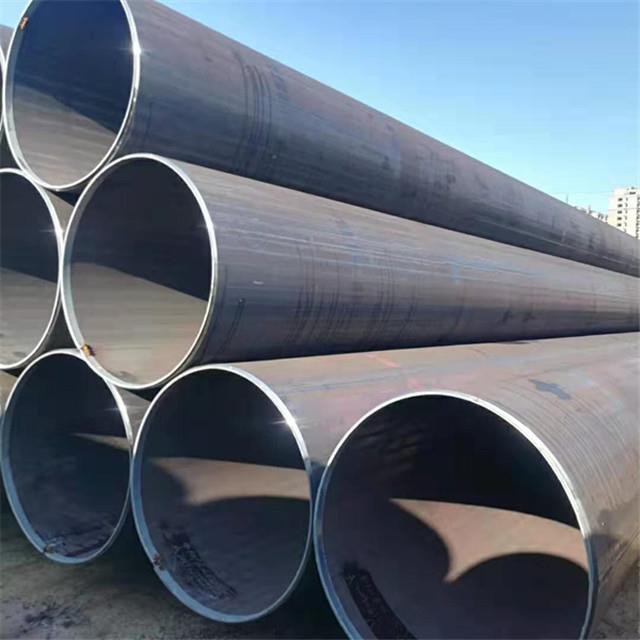
As a Water Well Pipe supplier, we offer a wide range of high-quality water well pipes in various diameters and materials. Our Carbon Steel Casing Pipe and Water Well Casing are designed to meet the highest industry standards and provide reliable performance.
If you are unsure about which pipe diameter is right for your well, our team of experts is here to help. We can provide you with personalized advice based on your specific water demand, well yield, and other factors. Contact us today to discuss your requirements and get a quote for your water well pipe needs.
Conclusion
Selecting the right diameter of a water well pipe is a critical decision that requires careful consideration of several factors. By assessing your water demand, well yield, pump capacity, and other relevant factors, you can choose a pipe diameter that ensures efficient water flow, reduces energy consumption, and extends the lifespan of your well system. As a trusted Water Well Pipe supplier, we are committed to providing you with the highest quality products and expert advice to help you make the right choice. Contact us today to start the process of selecting the perfect water well pipe for your well.

References
- American Water Works Association. (2019). Water Transmission and Distribution.
- National Ground Water Association. (2020). Well Construction Standards.
- Pipe Manufacturers Institute. (2021). Pipe Selection Guide.