

What materials are used for water well casing?
When it comes to constructing a water well, one of the most crucial components is the well casing. The well casing serves multiple purposes, including preventing the well from collapsing, protecting the water from surface contaminants, and providing a stable structure for the well pump. As a reputable Water Well Casing supplier, I've had the privilege of working with various materials for well casings, each with its own set of characteristics, advantages, and limitations. In this blog, I'll delve into the different materials commonly used for water well casing and share insights to help you make an informed decision for your well construction project.
Steel Casing
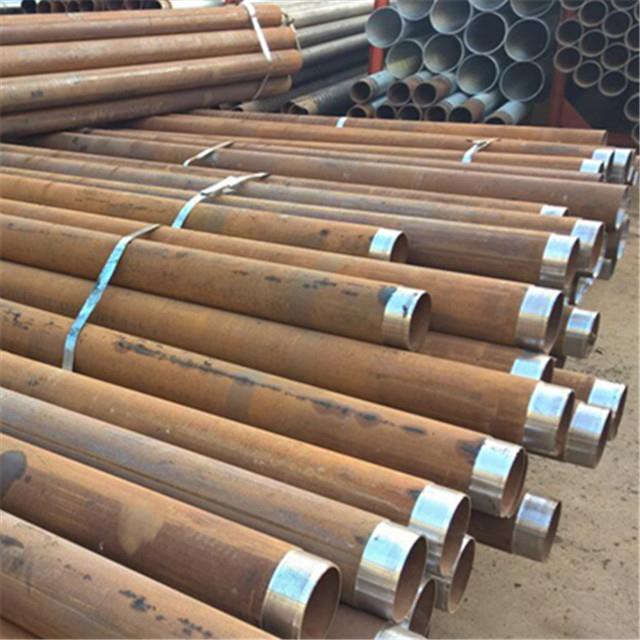
Steel is one of the most popular materials for water well casing due to its strength, durability, and versatility. It can withstand high pressures and resist corrosion, making it suitable for a wide range of well depths and water conditions. Steel casings are typically made from carbon steel, which is a cost - effective option that offers good mechanical properties.
Carbon Steel
Carbon steel well casings are known for their high strength and ability to handle heavy loads. They are commonly used in deep wells where the pressure and stress on the casing are significant. Carbon steel is also relatively easy to weld, allowing for seamless joints during installation. However, carbon steel is susceptible to corrosion, especially in acidic or high - mineral water environments. To mitigate this issue, carbon steel casings can be coated with a protective layer, such as epoxy or polyethylene.
The Water Well Casing Pipe we supply is made from high - quality carbon steel, ensuring long - term performance and reliability. Our carbon steel casings are available in various diameters and wall thicknesses to meet the specific requirements of different well projects.
Stainless Steel
Stainless steel is a more corrosion - resistant alternative to carbon steel. It contains chromium, which forms a passive oxide layer on the surface of the steel, protecting it from rust and corrosion. Stainless steel casings are ideal for wells located in areas with aggressive water conditions, such as high levels of chloride or sulfur. They are also suitable for wells that will be used for drinking water, as stainless steel does not leach harmful chemicals into the water.
However, stainless steel is more expensive than carbon steel, and its high cost can be a limiting factor for some projects. Additionally, stainless steel is more difficult to weld than carbon steel, requiring specialized equipment and expertise.
PVC Casing
Polyvinyl chloride (PVC) is another common material for water well casing. PVC is a lightweight, non - metallic material that is resistant to corrosion, chemicals, and biological growth. It is easy to install, as it can be joined using solvent welding or mechanical couplings. PVC casings are also relatively inexpensive compared to steel casings, making them a popular choice for shallow wells or budget - conscious projects.
Advantages of PVC Casing
One of the main advantages of PVC casing is its resistance to corrosion. Unlike steel, PVC does not rust or corrode in water, even in acidic or high - mineral environments. This makes it a long - lasting option for wells that are exposed to harsh water conditions. PVC is also lightweight, which reduces the cost and difficulty of transportation and installation. Additionally, PVC is non - toxic and does not leach harmful chemicals into the water, making it safe for use in drinking water wells.
Limitations of PVC Casing
Despite its many advantages, PVC casing has some limitations. It has lower strength than steel, which means it may not be suitable for deep wells or wells with high water pressures. PVC is also more susceptible to damage from UV radiation, so it may need to be protected from sunlight during storage and installation.
Our Water Well Pipe made of PVC offers a cost - effective and reliable solution for many well projects. We ensure that our PVC pipes meet high - quality standards, providing long - term performance and peace of mind.

Fiberglass Casing
Fiberglass is a composite material made of glass fibers embedded in a resin matrix. Fiberglass well casings offer a combination of strength, corrosion resistance, and lightweight properties. They are suitable for a wide range of well depths and water conditions.
Advantages of Fiberglass Casing
Fiberglass casings are highly resistant to corrosion, making them an excellent choice for wells located in areas with aggressive water. They are also lightweight, which simplifies transportation and installation. Fiberglass has good chemical resistance, so it can withstand exposure to various chemicals commonly found in water, such as acids, alkalis, and salts.
In addition, fiberglass casings have a smooth inner surface, which reduces friction and allows for better water flow. This can improve the efficiency of the well pump and reduce energy consumption.
Limitations of Fiberglass Casing
Fiberglass casings are more expensive than PVC casings and slightly more expensive than some carbon steel casings. They also require specialized installation techniques, as they cannot be welded like steel or solvent - welded like PVC. Fiberglass is also more brittle than steel and PVC, so it may be more prone to damage during handling and installation.
Cast Iron Casing
Cast iron was once a popular material for water well casing, but its use has declined in recent years due to the availability of more modern materials. Cast iron is a strong and durable material, but it is heavy and prone to corrosion.
Advantages of Cast Iron Casing
Cast iron has high strength and can withstand high pressures, making it suitable for deep wells. It is also relatively inexpensive compared to some other materials. Cast iron casings can be cast in large diameters, which is beneficial for wells that require a large volume of water.
Limitations of Cast Iron Casing
The main limitation of cast iron casing is its susceptibility to corrosion. Over time, cast iron can rust and deteriorate, which can contaminate the water and reduce the lifespan of the well. Cast iron is also heavy, which makes transportation and installation more difficult and expensive.
Choosing the Right Material for Your Well Casing
Selecting the appropriate material for your water well casing depends on several factors, including the depth of the well, the water quality, the budget, and the local environmental conditions. Here are some guidelines to help you make the right choice:
- Well Depth: For shallow wells (less than 100 feet), PVC or fiberglass casings may be sufficient. For deeper wells, steel casings (carbon or stainless) are usually a better choice due to their higher strength.
- Water Quality: If the water has high levels of acidity, minerals, or chemicals, stainless steel or fiberglass casings are recommended. For relatively clean water, carbon steel or PVC casings may be suitable.
- Budget: PVC casings are the most budget - friendly option, followed by carbon steel. Stainless steel and fiberglass casings are more expensive.
- Environmental Conditions: Consider the local climate and soil conditions. If the area has a high water table or the soil is corrosive, a corrosion - resistant material like stainless steel or fiberglass should be used.
As a Water Well Casing supplier, we have the expertise and experience to help you choose the right material for your well project. Our team of professionals can assess your specific requirements and provide customized solutions to ensure the success of your well construction.
If you are in the process of planning a water well project and need high - quality well casing materials, we invite you to contact us. We can offer detailed product information, competitive pricing, and excellent customer service. Our Well Casing Pipe products are designed to meet the highest industry standards and provide long - term performance. Whether you need a small - scale well for a residential property or a large - scale well for an industrial project, we have the right solution for you. Let's discuss your project requirements and find the best well casing material together.
References
- American Water Works Association (AWWA). Standards for Water Well Construction.
- National Ground Water Association (NGWA). Well Construction Manual.
- Steel Tube Institute of North America. Handbook of Steel Pipe.