

What is the manufacturing process of water well screens?
Water well screens play a crucial role in the efficient and reliable operation of water wells. As a leading water well screens supplier, I am delighted to share detailed insights into the manufacturing process of these essential components.
1. Material Selection
The first and arguably most critical step in manufacturing water well screens is selecting the appropriate materials. The choice of materials depends on various factors, including the water source's geology, water chemistry, and the expected lifespan of the well.
One of the most commonly used materials is stainless steel, particularly grade 304 and 316. Stainless steel offers excellent corrosion resistance, durability, and strength, making it suitable for a wide range of water well applications. For instance, our ISO9001 Stainless Steel 304 Johnson Type Screen /wedge Wire Screen For Water Well Drilling is crafted from high - quality stainless steel 304, adhering to ISO9001 standards. It is designed to withstand harsh underground conditions and provide long - term performance.
In some cases, carbon steel may also be used, especially when cost is a major consideration. However, carbon steel needs proper coating or lining to prevent corrosion. Another option is PVC, which is lightweight, corrosion - resistant, and easy to install. It is often used in shallow wells or in areas where the water chemistry is relatively benign.
2. Tube Preparation
Once the material is selected, the process of tube preparation begins. If stainless steel or carbon steel is used, the raw material typically comes in the form of large coils or sheets. These are first cut into appropriate lengths and widths according to the specifications of the well screen.
For pipes, the surface is then cleaned to remove any impurities, rust, or scale. This can be done through processes such as shot blasting or pickling. Shot blasting involves propelling small metal shots at high speed onto the pipe surface to remove contaminants and create a rough surface for better adhesion of subsequent coatings or welds. Pickling, on the other hand, uses acid solutions to dissolve the surface oxides and impurities.
3. Slotting and Perforation
Slotting and perforation are key steps in creating the screening functionality of the water well screen. Slots and perforations allow water to flow into the well while preventing the entry of sand and other large particles.
There are several methods for slotting and perforating. One common method is mechanical slotting, where a slitting machine is used to cut slots of precise width and length into the pipe wall. This method offers high precision and can be used on various materials.
Another approach is electrical discharge machining (EDM), which uses electrical discharges to erode the material and create slots. EDM is suitable for creating very fine and accurate slots, especially for high - precision well screens.
In the case of perforation, a punching machine is often used to create holes of different sizes and patterns in the pipe. The size and pattern of the slots or perforations are carefully designed based on the grain size distribution of the surrounding soil and the desired water intake rate.
4. Welding and Assembly
For well screens that consist of multiple components, welding or assembly is required to join them together. For example, in the case of a wedge - wire screen, the V - shaped wires are welded to support rods at regular intervals.
This welding process must be carefully controlled to ensure strong and durable joints. To do this, advanced welding techniques like TIG (Tungsten Inert Gas) welding are often employed. This method produces high - quality, clean welds with minimal heat - affected zones, thus maintaining the material's mechanical properties.
In addition to welding, some well screens may require the assembly of other components, such as end caps, adapters, or filter media. These components are carefully aligned and connected to ensure the integrity and functionality of the entire well screen.
5. Coating and Finishing
After welding and assembly, the water well screen often undergoes a coating or finishing process. This serves multiple purposes, such as enhancing corrosion resistance, improving the hydraulic performance, and protecting the screen surface.
One common coating method is galvanizing, where a layer of zinc is applied to the steel surface. Galvanizing provides a sacrificial layer of protection against corrosion, extending the lifespan of the well screen, particularly in corrosive environments.
Another option is epoxy coating, which offers excellent chemical resistance and can provide a smooth surface to reduce friction and improve water flow. The coating is typically applied using a spraying or dipping process, followed by curing at a specific temperature to ensure proper adhesion and hardness.
6. Quality Control and Inspection
Quality control is an integral part of the manufacturing process. Each water well screen must meet strict quality standards before it can be dispatched to the customer.
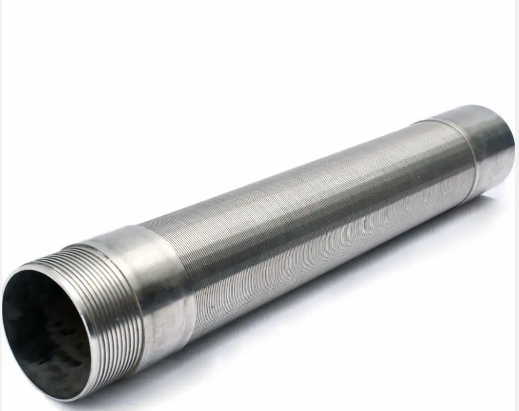
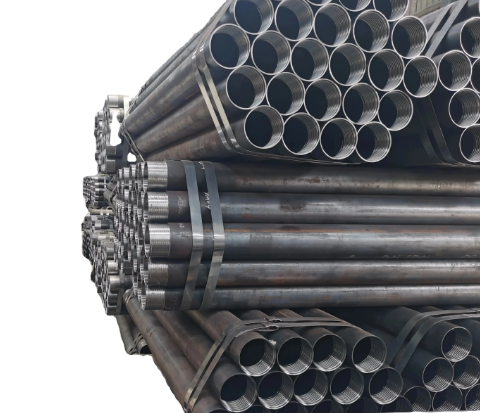
Visual inspection is the first step, where the screen is examined for any visible defects, such as cracks, uneven welds, or improper coating. Dimensional inspection is also carried out to ensure that the screen meets the specified length, diameter, slot width, and other critical dimensions.
In addition, hydraulic testing is often performed to evaluate the water intake rate and the efficiency of the screen. This involves measuring the flow rate of water through the screen under different pressure conditions. Non - destructive testing methods, such as ultrasonic testing or magnetic particle testing, may also be used to detect internal defects in the welds or the material.
7. Packaging and Shipping
Once the water well screen has passed all quality control checks, it is carefully packaged to prevent damage during transportation. The packaging materials are chosen based on the size and weight of the screen, as well as the shipping distance and method.
For example, smaller well screens may be packed in cardboard boxes or wooden crates, while larger screens may require custom - made steel frames or pallets for support and protection. Labels and markings are also applied to the packages to provide information about the screen specifications, handling instructions, and shipping details.
Finally, the packaged well screens are transported to the customer's location via various shipping methods, such as truck, rail, or container shipping, depending on the logistics requirements.
Water well screens are essential elements in ensuring the proper functioning of water wells, and their manufacturing process involves multiple complex steps. From careful material selection to strict quality control, each stage is crucial to produce high - quality, reliable, and efficient water well screens.
At our company, we are committed to delivering top - notch products to meet the diverse needs of our customers. Whether you are in need of 325*6mm Gravel Pack Multilayer Filter/Double Layer Well Screen For Water Well Screen Pipe, ISO9001 Stainless Steel 304 Johnson Type Screen /wedge Wire Screen For Water Well Drilling, or DZ40 DZ50 R780 Casing Steel Pipe For Water Well Screen Pipes Water Well Filter Pipe, we have the expertise and resources to provide you with the most suitable solutions. If you're interested in our products, feel free to contact us for further discussion and procurement negotiations.
References
- American Petroleum Institute. (2019). API Standard 5CT - Specification for Carbon and Alloy Steel Casing and Tubing.
- ASTM International. (2020). ASTM D4439 - Standard Terminology Relating to Geosynthetics.
- Water Well Journal. (2021). Best Practices in Water Well Screen Design and Installation.